
DATING AFTER LOSS
Widow’s Fire Is Real — So Why Does Nobody Talk About It?
A sudden need for touch, sex, or physical closeness after losing a spouse can feel completely out of place. It may be especially confusing when part of you is still deeply grieving.
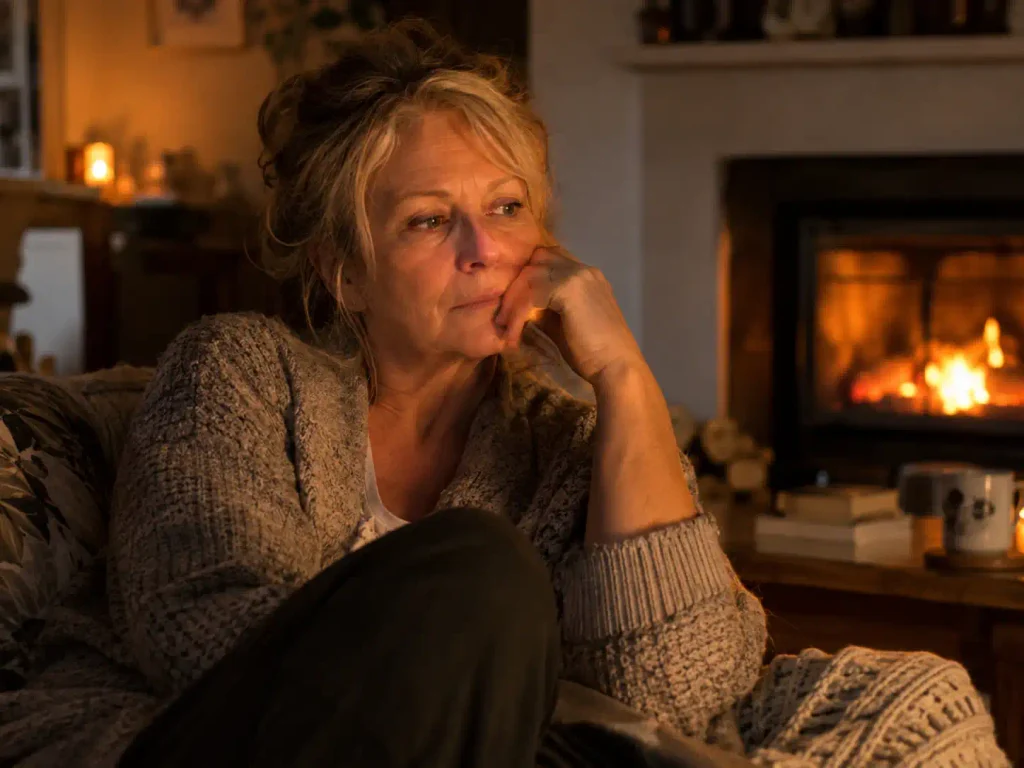
After losing a spouse, you may expect sadness, numbness, anger, loneliness, or even relief. What you may not expect is a sudden and unusually strong desire to be touched, held, kissed, or sexually close to another person. For some widowed people, this feeling arrives surprisingly early, sometimes while grief still feels overwhelming.
The experience is often called widow’s fire. It can feel uncomfortable because grief and sexual desire seem as though they should belong to completely different parts of life. Yet missing your spouse and missing physical intimacy can exist at exactly the same time.
What Is Widow’s Fire — and Why Can It Feel So Unexpected?
Widow’s fire is an informal term used for a strong increase in sexual desire or longing for physical intimacy after the death of a spouse or partner. It is not a medical diagnosis, and it is important not to treat it as something every widowed person will experience. Some people notice a dramatic change in desire, while others experience little or no sexual interest during grief.
Worth knowing: There is still very little research showing how common widow’s fire actually is. The term comes largely from widowed communities and lived experience, so it is more useful as a way of describing a feeling than as a clinical label.
That distinction matters, particularly for adults over 50. Widowed communities include people of different ages and genders who describe this experience. But there is not enough research to say how common it is among older widows or widowers. A 2026 Guardian feature, for example, included widowed people in their 50s discussing strong sexual and emotional needs after loss.
Why Would Grief Make You Crave Touch More, Not Less?
A long marriage usually contains thousands of forms of physical contact that have nothing to do with sex. There may have been a hand on your back in the kitchen, a kiss before leaving the house, or feet touching in bed. You may also miss sitting close on the couch or simply knowing that someone would be beside you at night. When your spouse dies, those ordinary forms of contact can disappear almost overnight.
That is why the feeling may be about much more than sexual release. You may miss warmth, reassurance, attention, or the feeling of being desirable. You may also want a temporary escape from a life that has suddenly become filled with death, paperwork, empty rooms, condolences, and memories. Physical closeness can represent life continuing when everything else seems to have stopped.
You may be missing:
- Touch and physical comfort
- Feeling wanted or attractive
- Sleeping beside another person
- Sexual expression
- Ordinary everyday closeness
That does not automatically mean:
- Ready to fall in love
- Interested in another marriage
- Finished grieving
- No longer missing your spouse
- Ready to start dating seriously
Why Does Wanting Someone’s Touch Bring So Much Guilt?
For many people, the hardest part is not the desire itself. It is what the desire seems to say about the spouse who died. You might want physical closeness in the afternoon and cry over your spouse that same evening. Having both feelings at once can be confusing.
You can miss your spouse deeply and still miss being touched by another human being.
Wanting intimacy does not erase the marriage you had, and enjoying physical closeness again does not rewrite your history. Grief is not a loyalty test. The more useful question is not whether you are “allowed” to feel desire. It is whether acting on it feels emotionally and physically safe for you.
What If You Want Intimacy but Don’t Want a New Relationship?
This is one of the most important distinctions to make. Wanting sex, touch, affection, or companionship does not automatically mean you want a committed romantic relationship. You may have no interest in combining households, meeting someone’s family, changing your routines, or imagining a long-term future with another person.
That becomes especially important if you begin meeting new people. Problems can start when one person sees physical closeness as the beginning of a serious relationship and the other does not. You do not need to know what you will want six months from now. Being honest about what you can offer today can prevent unnecessary hurt.
A useful distinction: “I want to feel close to someone” and “I am ready to build a new life with someone” are two very different statements. You are allowed to know the answer to one before you know the answer to the other.
Before You Follow the Feeling, Figure Out What It Is Asking For
Strong desire can make everything feel urgent, but the feeling itself does not require an immediate decision. A little distance between wanting something and acting on it can help you understand what is underneath the urge. You may realize that sexual expression is what you want most. Or you may find that loneliness, reassurance, curiosity, or simply missing human contact is playing a bigger role than you expected.
Four questions worth asking yourself:
- Am I mainly craving touch, sex, companionship, or emotional reassurance?
- If this stays casual, will I genuinely be comfortable with that?
- If the other person becomes attached quickly, do I know how I would respond?
- Am I choosing this because I want it, or because being alone tonight feels unbearable?
There are no perfect answers to these questions. Their purpose is simply to slow the moment down enough for you to make a choice instead of feeling carried into one.
Loneliness Can Make a Red Flag Look Smaller Than It Really Is
Being widowed does not mean you suddenly lose your judgment, but grief can change what feels important in the moment. Attention may feel unusually powerful after months of loneliness, and someone who seems understanding can quickly become emotionally significant. That is why ordinary dating boundaries still matter even when you are not looking for anything serious.
Take your time with people you do not know well. Keep finances, passwords, important documents, home access, and major commitments separate until trust has developed over time. Meet new people in places where you feel comfortable, let someone you trust know your plans, and keep control over how you get home.
Sexual health still matters after 50 as well. The National Institute on Aging notes that older adults can still acquire HIV and other sexually transmitted infections. A new sexual connection is a good reason to talk openly about protection, sexual history, and testing. The NIA provides additional guidance for older adults here.
The Morning After May Tell You More Than the Night Before
When deciding whether a new kind of intimacy is working for you, pay attention to what happens afterward. Some people feel calmer, more connected, or relieved. Others are surprised by guilt, panic, sadness, attachment, or an intense need to see the person again even though they had planned to keep things casual.
One emotional reaction does not prove that you made a bad decision. Grief is unpredictable, and even an experience you genuinely wanted can stir up memories afterward. What matters more is the pattern. If intimacy repeatedly leaves you distressed, ashamed, overwhelmed, or doing things that do not feel like you, pay attention to that.
When Wanting Closeness Starts Controlling Your Choices
Widow’s fire by itself is not evidence that something is wrong. However, support may be useful if the urge feels impossible to control, repeatedly takes you into situations you regret, interferes with everyday life, or becomes the only way you can tolerate loneliness. A grief-informed therapist can also provide somewhere private to talk about sex, guilt, loneliness, and loyalty without involving friends or adult children.
You do not need to wait until something becomes a crisis. Sometimes a few conversations are enough to separate grief, loneliness, sexual desire, and the wish for a new relationship so they no longer feel like one enormous problem.
You Can Still Love the Person You Lost and Want to Feel Alive Again
You can love the person who died and still want physical intimacy with someone living. You can be deeply sad and sexually alive at the same time, and you can want closeness without being ready to fall in love again. You can also feel none of these things and have no interest in intimacy for months or years.
There is no single correct physical response to losing a spouse. If widow’s fire catches you off guard, the goal is neither to judge the feeling nor to let it make every decision for you. Understanding what you actually need, communicating clearly, and noticing how your choices affect you afterward can make this complicated part of grief much easier to navigate.
Ready to Start Your Next Chapter?
Explore dating advice, relationship ideas and practical guidance created for singles over 50.